The Five Essential Marks of a Catholic School
Five Essential Marks of Catholic Schools (adapted from the Catholic Education Resource Center)
Papal interventions and Roman documents repeatedly emphasize that certain characteristics must be present for a school to be considered authentically Catholic.
-Archbishop J. Michael Miller, C.S.B
1. Inspired by a Supernatural Vision
Catholic education is driven by a supernatural vision that forms the whole child with a focus on their transcendent
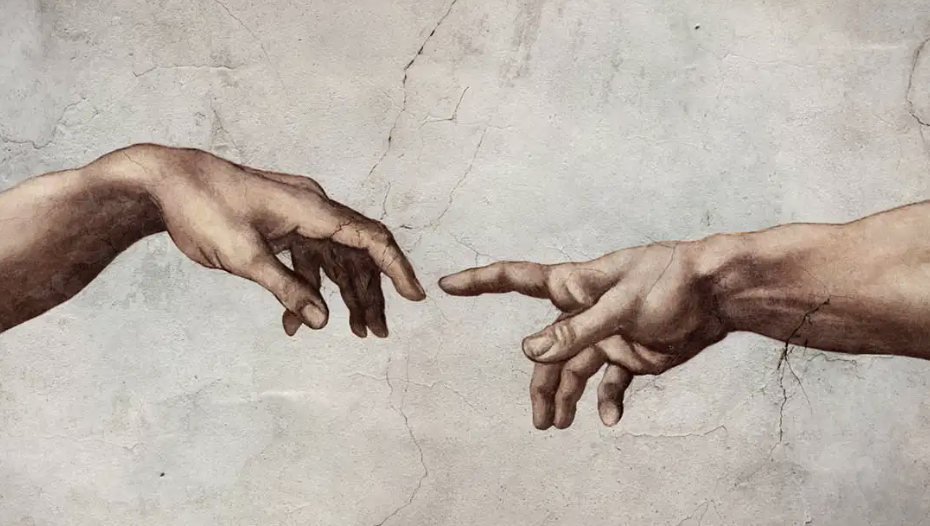 destiny, aiming to make them good citizens of both this world and the next, as they strive for sainthood. Pope John Paul II emphasized “the pressing challenge of clearly identifying the aims of Catholic education” to transmit “the full truth concerning the human person, created in God’s image and called to life in Christ through the Holy Spirit” (John Paul II, Address to American Catholic Educators, New Orleans, 1987). This vision prioritizes the inalienable dignity of the human person, particularly their spiritual dimension, over a secular focus on worldly success. Without this lofty, supernatural perspective, Catholic schools risk becoming hollow, merely “a gong booming or a cymbal clashing” (1 Cor. 13:1), failing to fulfill their mission of forming students in the light of the gospel of Christ.
2. Founded on a Christian Anthropology
Catholic education is rooted in a Christian anthropology that recognizes students as images of God, requiring the perfection of both their natural and supernatural dimensions, as “grace builds on nature” (Sacred Congregation for Catholic Education, The Catholic School, 1977). This approach demands a sound understanding of the human
 person, as articulated in Lay Catholics in Schools: Witnesses to Faith, which calls for an education inspired by “the Christian concept of the person” that defends human rights, acknowledges the dignity of a child of God, and holds Christ as “both model and means” for personal and communal perfection (Sacred Congregation for Catholic Education, Lay Catholics in Schools: Witnesses to Faith, 1982). Catholic schools are not factories for skills or commodities for consumers but are dedicated to the holistic development of human persons, founded on Jesus Christ, who, as The Catholic School states, “ennobles man, gives meaning to human life, and is the model which the Catholic school offers to its pupils” (Sacred Congregation for Catholic Education, The Catholic School, 1977).
3. Animated by Communion and Community
Catholic schools are marked by a strong sense of communion and community, described as “a genuine community of faith” that counters individualistic tendencies (Sacred Congregation for Catholic Education, The Religious Dimension of Education in a Catholic School, 1988). This communal dimension, rooted in the Church as “the home and the school of communion” (Second Vatican Council, Lumen Gentium, 1964), is expressed through teamwork among educators, parents, and bishops, fostering a family-like atmosphere where “a common spirit of trust and spontaneity” prevails (Sacred Congregation for Catholic Education, The Religious Dimension of Education in a
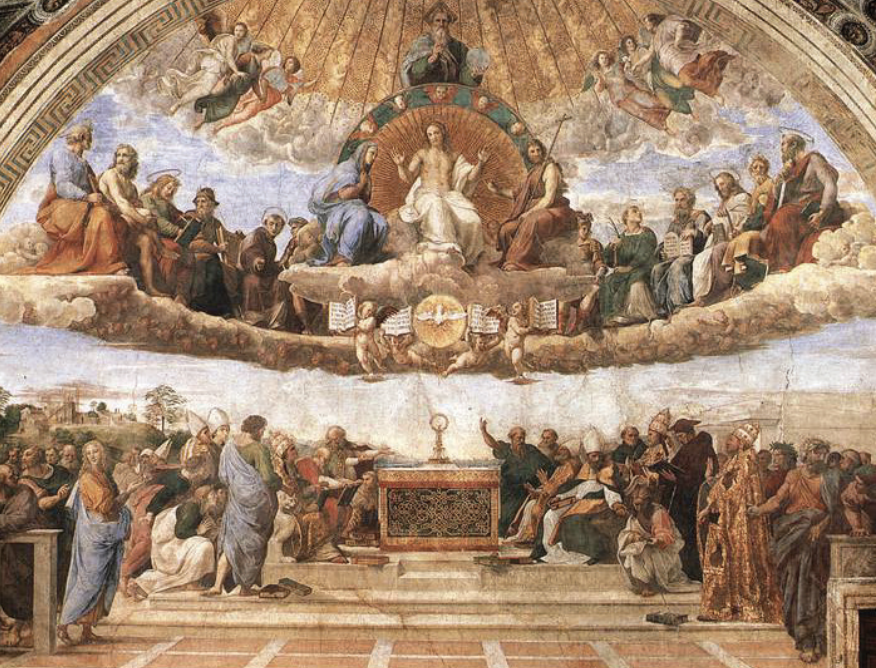 Catholic School, 1988). Cooperation with families is vital, especially on sensitive issues like moral education, as it is “a partnership based on faith” (Sacred Congregation for Catholic Education, The Religious Dimension of Education in a Catholic School, 1988). The physical environment also reflects this community ethos, with Catholic symbols and sacramental practices like the Eucharist and Reconciliation shaping a faith-filled atmosphere, ensuring that students experience a school that is immediately recognizable as Catholic and deeply connected to the Church’s mission.
4. Imbued with a Catholic Worldview throughout its Curriculum
Catholic schools integrate a Catholic worldview across their entire curriculum, aiming for “the integral formation of the human person” by developing students’ intellectual, physical, psychological, moral, and religious capacities  (Sacred Congregation for Catholic Education, The Catholic School, 1977). This holistic approach, guided by the gospel, fosters a love for wisdom and truth, countering the “dictatorship of relativism” by teaching that truth can be known and communicated, as Pope John Paul II noted: “human beings can grasp the truth of things, and, in grasping that truth, can know their duties to God, to themselves and their neighbors” (John Paul II, Ad Limina Address to American Bishops, 1998). The curriculum interweaves faith and culture, preparing students to transform society through the gospel, ensuring that all subjects, even secular ones, are taught with “confidence in our ability to attain truth” and a commitment to forming virtuous individuals ready to serve others (Sacred Congregation for Catholic Education, The Religious Dimension of Education in a Catholic School, 1988).
(Sacred Congregation for Catholic Education, The Catholic School, 1977). This holistic approach, guided by the gospel, fosters a love for wisdom and truth, countering the “dictatorship of relativism” by teaching that truth can be known and communicated, as Pope John Paul II noted: “human beings can grasp the truth of things, and, in grasping that truth, can know their duties to God, to themselves and their neighbors” (John Paul II, Ad Limina Address to American Bishops, 1998). The curriculum interweaves faith and culture, preparing students to transform society through the gospel, ensuring that all subjects, even secular ones, are taught with “confidence in our ability to attain truth” and a commitment to forming virtuous individuals ready to serve others (Sacred Congregation for Catholic Education, The Religious Dimension of Education in a Catholic School, 1988).5. Sustained by Gospel Witness
The authenticity of a Catholic school hinges on the gospel witness of its teachers and administrators, who are called to a supernatural vocation of revealing “the Christian message not only by word but also by every gesture of their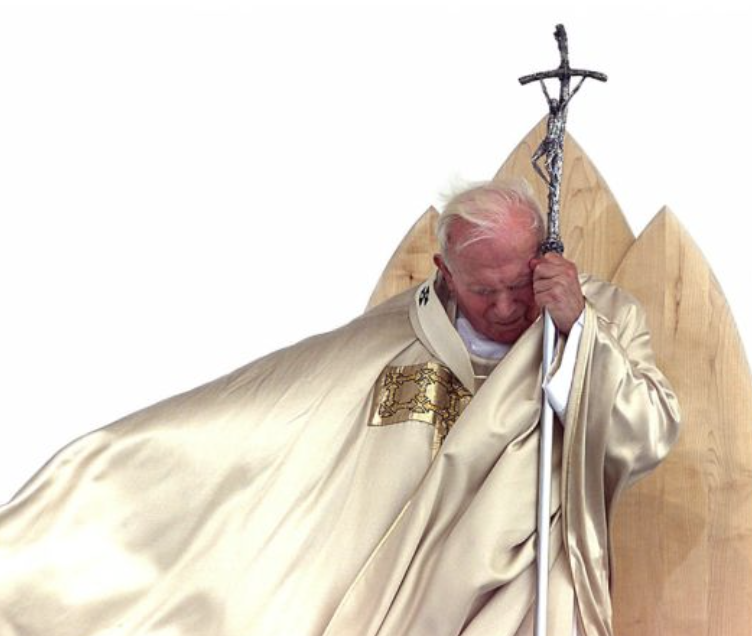 behavior” (Sacred Congregation for Catholic Education, Lay Catholics in Schools: Witnesses to Faith, 1982). As Pope Benedict XVI emphasized, “the central figure in the work of educating . . . is specifically the form of witness,” with teachers modeling Christ, the Father’s great witness (Benedict XVI, Address to Catholic Educators, 2005). The American bishops stress hiring “practicing Catholics” who uphold Church teachings and contribute to the school’s Catholic identity (United States Conference of Catholic Bishops, National Directory for Catechesis, 2005). This transparent witness, more impactful than pedagogical techniques, ensures that students encounter the beauty of the Gospel through the lived example of their educators, making the school a vibrant reflection of Christ’s presence and the Church’s mission.
behavior” (Sacred Congregation for Catholic Education, Lay Catholics in Schools: Witnesses to Faith, 1982). As Pope Benedict XVI emphasized, “the central figure in the work of educating . . . is specifically the form of witness,” with teachers modeling Christ, the Father’s great witness (Benedict XVI, Address to Catholic Educators, 2005). The American bishops stress hiring “practicing Catholics” who uphold Church teachings and contribute to the school’s Catholic identity (United States Conference of Catholic Bishops, National Directory for Catechesis, 2005). This transparent witness, more impactful than pedagogical techniques, ensures that students encounter the beauty of the Gospel through the lived example of their educators, making the school a vibrant reflection of Christ’s presence and the Church’s mission.